DIY Cake Flour: Your Easy Cornstarch & Flour Recipe for Fluffy Bakes
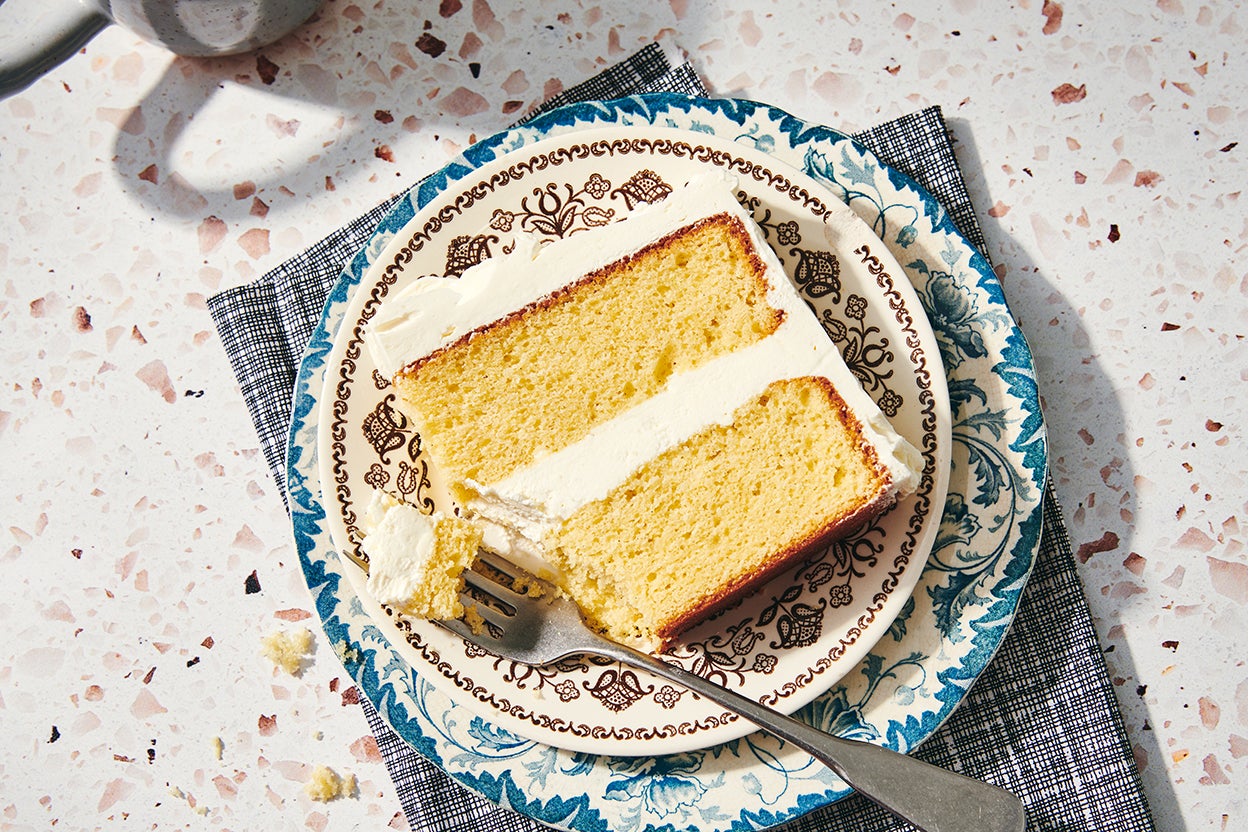
Imagine biting into a slice of cake so tender, so impossibly light, it feels like a cloud melting in your mouth. This ethereal texture is often the hallmark of a cake made with a special ingredient: cake flour. But what happens when your recipe calls for it, and your pantry is bare, or your local grocery store doesn't stock it? Don't let that stop your baking dreams! Learning how to make cake flour at home is a simple, cost-effective, and surprisingly easy solution that every home baker should have in their arsenal.
Cake flour is lauded by professional and amateur bakers alike for its ability to transform an ordinary cake into an extraordinary one. Its unique properties are key to creating those coveted light, fluffy, and delicate crumbs. While specialized flours might seem intimidating, making your own cake flour substitute from readily available ingredients—all-purpose flour and cornstarch—is a game-changer. This method not only saves you a trip to the store and a few dollars but also ensures you always have the right ingredients on hand for your next baking adventure. Let's unlock the secret to bakery-quality cakes, right in your own kitchen.
Why Cake Flour Matters: The Science Behind the Softness
To truly appreciate the magic of homemade cake flour, it helps to understand what makes it different from its more common cousin, all-purpose flour. The secret lies in one crucial factor: protein content.
The Protein Puzzle: All-Purpose vs. Cake Flour
- All-Purpose Flour: This versatile flour typically has a moderate protein content, usually ranging from 10-12%. When mixed with liquid and kneaded, these proteins develop into gluten, a strong, elastic network that provides structure to baked goods. While excellent for breads, cookies, and many other recipes, too much gluten can lead to a denser, chewier texture in cakes���the opposite of what we desire for a truly light cake.
- Cake Flour: In contrast, commercial cake flour boasts a lower protein content, often between 6-8%. This significantly reduced protein level means less gluten formation during mixing. The result? A much finer, softer crumb that melts in your mouth instead of requiring a hearty chew. This low-protein characteristic, coupled with its typically finer milling, makes cake flour the undisputed champion for delicate baked goods. For a deeper dive into the specific benefits of this homemade substitute, check out our guide on Why Homemade Cake Flour Beats All-Purpose for Fluffy Bakes.
The Impact on Texture and Rise
When you use cake flour, you're essentially setting your cake up for success. Less gluten means a more tender structure, preventing your cake from becoming tough or rubbery. The fine texture of cake flour also allows it to absorb liquids differently, creating a more uniform and open crumb. This translates to cakes that are not only incredibly soft but also boast a beautiful, even rise. It’s why recipes specifically calling for cake flour do so because texture truly matters, from classic vanilla cakes to delicate cupcakes and chiffon cakes.
Mastering DIY Cake Flour: Your Easy Cornstarch & Flour Recipe
Now that you understand the "why," let's get to the "how." Making cake flour at home is incredibly straightforward, requiring just two ingredients you likely already have and a few basic tools. The process is quick, empowering you to bake those dreamy cakes anytime inspiration strikes.
The Power Duo: All-Purpose Flour & Cornstarch
The magic of homemade cake flour comes from combining all-purpose flour with cornstarch. Each plays a crucial role:
- All-Purpose Flour: This is your base. Choose a fresh, reliable brand. The quality of your all-purpose flour will influence the final product, so opt for one you trust for other baking endeavors. Accuracy in measurement here is paramount.
- Cornstarch: This is the secret ingredient that transforms all-purpose flour into its cake-friendly counterpart. Cornstarch is a pure starch, devoid of protein. When you mix it with all-purpose flour, it effectively dilutes the overall protein content of the blend, mimicking the low-protein profile of commercial cake flour. Beyond that, cornstarch also acts as a tenderizer, contributing to that delicate, soft crumb we're aiming for. It's truly the workhorse in this easy recipe.
Essential Tools for Precision Baking
While the ingredients are simple, having the right tools ensures accuracy and the best possible outcome:
- Measuring Cups and Spoons: Precision is key in baking. Use standard dry measuring cups and spoons to ensure you get the exact ratios.
- Fine-Mesh Sieve (Sifter): This tool is non-negotiable! Sifting is critical for two reasons: it evenly distributes the cornstarch throughout the flour, and it aerates the mixture, breaking up clumps and making the flour lighter and fluffier.
- Large Mixing Bowl or Wax Paper/Parchment Paper: A bowl provides ample space for sifting and mixing without a mess. Alternatively, sifting onto a large piece of wax or parchment paper makes it easy to funnel the homemade cake flour into a storage container.
- Whisk: Even after sifting, a quick whisk helps ensure every particle of cornstarch is well-incorporated.
Step-by-Step Guide: How to Make Cake Flour
Ready to learn how to make cake flour in minutes? Here’s the simple recipe:
-
Measure Your All-Purpose Flour: For every 1 cup of cake flour needed in your recipe, start with 1 cup of all-purpose flour.
- Tip for Accuracy: Use the "spoon and level" method. Gently spoon the all-purpose flour into your measuring cup until it overflows, then level off the excess with the straight edge of a knife or an offset spatula. Do not pack the flour into the cup.
-
Measure Your Cornstarch: Remove 2 tablespoons of all-purpose flour from your measured 1 cup. Replace it with 2 tablespoons of cornstarch.
- So, for 1 cup of cake flour: you'll use 7/8 cup all-purpose flour (which is 1 cup minus 2 tablespoons) and 2 tablespoons cornstarch.
- Alternatively, and simpler: if your recipe calls for 1 cup of cake flour, measure 1 cup of all-purpose flour, remove 2 tablespoons, and then add 2 tablespoons of cornstarch into the remaining flour.
- Combine and Sift: Place the all-purpose flour and cornstarch mixture into a fine-mesh sieve. Sift the mixture together at least 2-3 times into a clean bowl. This is the most crucial step! Sifting ensures the cornstarch is evenly distributed and that the flour is properly aerated, light, and clump-free. The more you sift, the lighter and more uniform your homemade cake flour will be.
- Use Immediately or Store: Your homemade cake flour is now ready to use in your recipe! If you've made extra, store it in an airtight container in a cool, dark place, just as you would regular flour.
Ready to get started? Our comprehensive Make Cake Flour at Home: Simple 2-Ingredient Guide offers even more detail to ensure your success.
Tips for Perfect Homemade Cake Flour and Beyond
While the process is straightforward, a few extra tips can elevate your homemade cake flour to professional levels and expand your baking repertoire:
- Don't Skimp on Sifting: We cannot overstate this. Sifting 2-3 times is the minimum. If you want truly exceptional lightness, go for 4-5 times. It makes a noticeable difference in the final texture of your cake.
- Freshness Matters: Always use fresh all-purpose flour and cornstarch. Old flour can develop off-flavors and may not perform as well, affecting the rise and texture of your baked goods.
- Batch Ahead: If you frequently bake cakes, consider making a larger batch of homemade cake flour and storing it. Just multiply the ratio (1 cup AP flour minus 2 tbsp, plus 2 tbsp cornstarch) by the number of cups you want.
- When to Use It: Homemade cake flour is ideal for any recipe that specifically calls for cake flour, especially those where a delicate, tender crumb is desired. Think chiffon cakes, angel food cakes, vanilla bean cakes, red velvet cakes, and even delicate cupcakes.
- Can I Substitute Other Starches? While cornstarch is the most common and recommended starch for this method due to its widespread availability and neutral flavor, other pure starches like potato starch or arrowroot powder could theoretically work in a pinch. However, cornstarch is consistently proven to yield the best results for replicating the tenderizing effect of cake flour.
- Troubleshooting Dense Cakes: If your cake still turns out dense despite using homemade cake flour, double-check your measurements, ensure you've sifted thoroughly, and consider other factors like overmixing the batter (which develops gluten even with low-protein flour) or an expired leavening agent.
Conclusion
There you have it! The secret to light, airy, and truly tender cakes is no longer confined to specialty stores or pre-packaged bags. By understanding how to make cake flour using just all-purpose flour and cornstarch, you've unlocked a powerful baking hack that promises to elevate your homemade creations. This simple substitution not only offers convenience and cost savings but also provides the satisfaction of crafting an essential ingredient yourself. So go ahead, dust off those baking pans, confidently embark on your next cake project, and prepare to impress everyone with your newfound mastery of delicate bakes. Happy baking!
