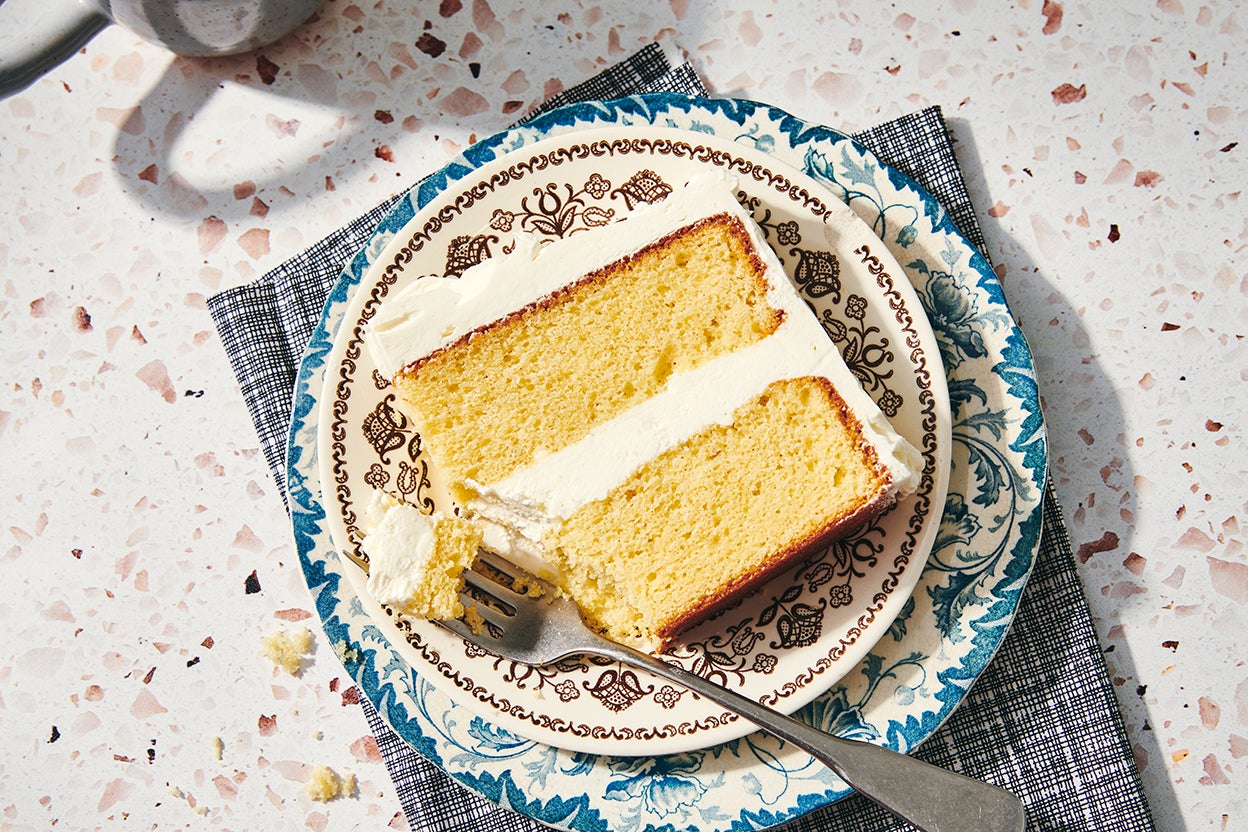
Unlock Baking Perfection: Your Simple 2-Ingredient Guide to Making Cake Flour at Home
Ever wondered how to achieve that melt-in-your-mouth, cloud-like texture in your homemade cakes? The secret often lies in one key ingredient: cake flour. Renowned for its ability to create exceptionally tender and airy baked goods, cake flour has a lower protein content than its all-purpose counterpart, leading to less gluten development and a finer crumb. But what happens when you're mid-recipe and realize you're out, or worse, can't find it at your local grocery store? Don't let that stop your baking dreams!
The good news is, learning how to make cake flour at home is incredibly simple, cost-effective, and uses two pantry staples you likely already have: all-purpose flour and cornstarch. This homemade substitute performs beautifully in cakes, cupcakes, and other delicate pastries, ensuring your bakes are always light, soft, and utterly irresistible. Say goodbye to dense cakes and hello to baking success with this foolproof method.
The Magic Behind Cake Flour: Why It Matters for Fluffy Bakes
To truly appreciate the value of homemade cake flour, it helps to understand what makes it unique. Unlike all-purpose flour, which typically has a protein content of 10-12%, commercial cake flour boasts a lower protein percentage, often around 7-9%. This seemingly small difference has a profound impact on your baked goods. Protein in flour forms gluten when mixed with liquid. While gluten provides structure and chewiness – desirable in breads and pizzas – it can make cakes tough and dense.
Cake flour's lower protein content means less gluten forms, resulting in a softer, more delicate structure and a fine, tender crumb that practically dissolves in your mouth. This characteristic is precisely why professional bakers and home baking enthusiasts alike swear by it for achieving that signature light and airy texture. For a deeper dive into why this homemade alternative is a game-changer, you might find our article Why Homemade Cake Flour Beats All-Purpose for Fluffy Bakes particularly insightful.
Decoding the Duo: All-Purpose Flour and Cornstarch
The ingenuity of homemade cake flour lies in its two humble components, each playing a crucial role in mimicking the properties of store-bought cake flour.
- All-Purpose Flour: The Foundation
As its name suggests, all-purpose flour is the versatile workhorse of the baking world. It serves as the base for our homemade cake flour. While it has a higher protein content than true cake flour, it's widely available and provides the necessary bulk and structure. When choosing your all-purpose flour, opt for a fresh, unbleached variety from a trusted brand. Quality ingredients always lead to better results. - Cornstarch: The Game Changer
Cornstarch is the magic ingredient that transforms all-purpose flour into a cake flour substitute. A pure starch with no protein, cornstarch effectively "dilutes" the protein content of the all-purpose flour. By adding cornstarch, we create a blend that behaves much like commercial cake flour – reducing gluten formation and promoting a softer, more tender crumb. It helps absorb moisture, contributing to a drier, finer texture that's ideal for delicate cakes.
Your Step-by-Step Guide: How to Make Cake Flour at Home
Making cake flour at home is incredibly straightforward. With just two ingredients and a few minutes, you'll have a perfect substitute ready for your next baking adventure. For a quick reference, check out our DIY Cake Flour: Your Easy Cornstarch & Flour Recipe.
What You'll Need:
- Ingredients:
- 1 cup (120g) all-purpose flour
- 2 tablespoons (16g) cornstarch
- Tools:
- Dry measuring cups and spoons (for accurate measurement)
- Fine-mesh sieve (essential for aeration and even distribution)
- Large bowl (for mixing)
- Whisk or fork (optional, for initial mixing)
- Airtight container (for storage)
The Process:
- Measure Your Ingredients Accurately: Precision is key in baking. For every cup of all-purpose flour you need for your recipe, measure out exactly 1 cup of all-purpose flour and 2 tablespoons of cornstarch. If your recipe calls for more than one cup of cake flour, simply multiply the measurements. For example, for 2 cups of cake flour, you would use 2 cups of all-purpose flour and 4 tablespoons of cornstarch.
- Combine and Whisk: In a large bowl, add the measured all-purpose flour and cornstarch. Use a whisk or fork to gently combine the two ingredients. This initial mix helps break up any clumps and ensures the cornstarch is somewhat distributed before sifting.
- The Sifting Secret: This is arguably the most crucial step when learning how to make cake flour at home. Place a fine-mesh sieve over another clean bowl. Pour the flour and cornstarch mixture into the sieve. Sift the mixture together at least 2-3 times. Sifting achieves several important things:
- It thoroughly blends the cornstarch with the flour, ensuring an even distribution of the protein-diluting agent.
- It aerates the flour, making it lighter and fluffier, which contributes to a more tender final product.
- It removes any small lumps, guaranteeing a smooth and consistent texture.
- Ready to Use: After sifting multiple times, your homemade cake flour is ready! You can now use it cup-for-cup in any recipe that calls for cake flour.
Tips for Optimal Results and Storage
- Always Sift: We can't emphasize this enough. Sifting is non-negotiable for achieving the light, fine texture that cake flour provides. Don't skip it!
- Measure Correctly: For flour, it's best to spoon it lightly into your measuring cup and then level it off with a straight edge (like the back of a knife) rather than scooping directly from the bag. This prevents compacting the flour and ensures an accurate weight measurement.
- Freshness Matters: Always use fresh all-purpose flour and cornstarch. Old ingredients can impact the flavor and texture of your baked goods.
- Don't Substitute Cornstarch: While other starches exist, cornstarch is specifically recommended for its neutral flavor and effective protein-diluting properties. Avoid substituting it with other starches like potato starch or arrowroot for this particular application.
- Storage: Store your homemade cake flour in an airtight container in a cool, dark pantry, just as you would store regular flour. It will keep well for several months, ensuring you always have it on hand when inspiration strikes.
Recipes Where Homemade Cake Flour Shines Brightest
Now that you know how to make cake flour, it's time to put it to good use! This versatile ingredient excels in recipes where a delicate texture is paramount. Think about applying it to:
- Classic Sponge Cakes: For the ultimate airy and light sponge.
- Vanilla or Chocolate Layer Cakes: Achieving tender layers that stack beautifully.
- Cupcakes: Ensuring they are moist, fluffy, and never dense.
- Muffins and Quick Breads (when a lighter crumb is desired): While not traditional, cake flour can make these baked goods exceptionally tender.
- Angel Food Cake and Chiffon Cake: These recipes specifically rely on the low protein content of cake flour for their signature ethereal texture.
Conclusion: Your Secret to Superior Home Baking
Mastering how to make cake flour at home is a game-changer for any passionate baker. It eliminates the need for a special trip to the store, saves you money, and most importantly, empowers you to create consistently light, tender, and exquisite baked goods. By simply combining all-purpose flour and cornstarch and taking a moment to sift, you unlock the secret to professional-quality cakes right in your own kitchen. So go ahead, dust off your mixing bowls, and get ready to impress with your wonderfully fluffy creations!
