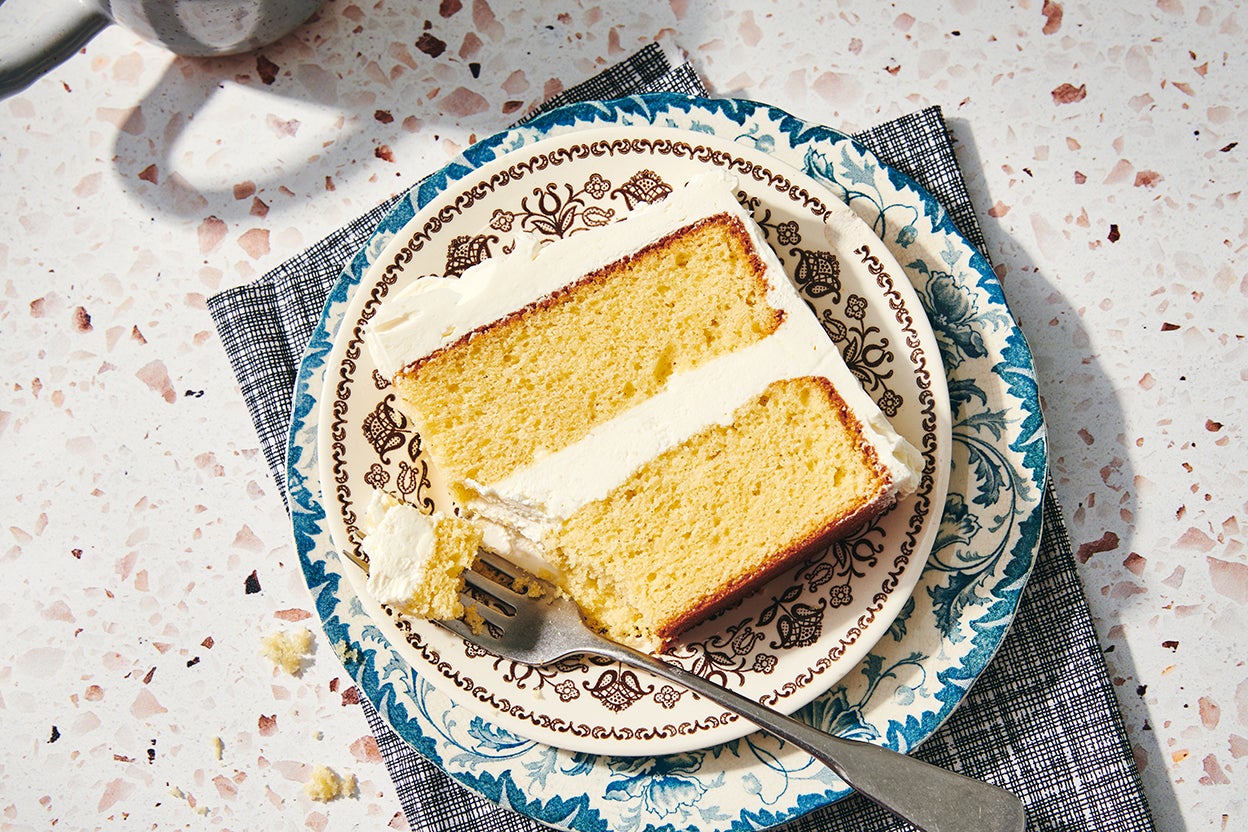
Every baker dreams of a cake that's light as a cloud, tender to the fork, and utterly delicious. While a great recipe and skilled hands are crucial, the secret often lies in one foundational ingredient: cake flour. Many home bakers, however, reach for readily available all-purpose flour, unknowingly sacrificing the potential for that ethereal crumb. But what if we told you that achieving baking perfection is not only within reach but also incredibly simple and cost-effective? The journey to truly fluffy bakes begins with understanding why homemade cake flour is a game-changer and how you can easily make it in your own kitchen.
Specialty cake flour, with its unique properties, is designed to deliver superior texture in delicate baked goods. It’s the hero ingredient that prevents your cakes from becoming dense or chewy. While you can certainly buy it at the store, sometimes it's hard to find, or you might unexpectedly run out. The good news is, learning how to make cake flour at home is incredibly straightforward, utilizing ingredients you likely already have. This simple DIY method not only saves you a trip to the grocery store and a bit of cash, but it also ensures you always have the perfect flour for your baking needs, guaranteeing consistently light and airy results.
The Secret Behind Superior Fluff: Understanding Cake Flour
To truly appreciate the magic of cake flour, we must first delve into its unique composition and how it interacts with other ingredients. Unlike its more versatile counterpart, all-purpose flour, cake flour is a finely milled flour characterized by its significantly lower protein content, typically ranging from 5-8%. This low protein level is the cornerstone of its exceptional baking performance.
Why does protein content matter so much in baking, especially for cakes? Protein in flour forms gluten when hydrated and kneaded. While gluten is desirable in breads for its elasticity and chewiness, it's the enemy of a tender cake. More gluten means a tougher, denser texture. Cake flour, with its minimal protein, forms very little gluten, even during mixing. This lack of gluten development is precisely what allows cakes to achieve that signature soft, delicate, and melt-in-your-mouth crumb.
Conversely, all-purpose flour typically has a protein content of 10-12%. While this makes it wonderfully versatile for cookies, pies, and even some breads, it's not ideal for cakes where a fine, airy structure is paramount. Using all-purpose flour in a cake recipe designed for cake flour often results in a heavier, chewier cake, lacking the desired lightness and tenderness. The subtle difference in protein content between these two flours makes an enormous impact on the final texture and rise of your baked goods, making cake flour an indispensable tool for any serious baker aiming for perfection.
Why Homemade Cake Flour is a Baker's Best Friend
Beyond its technical superiority, making cake flour at home offers a multitude of practical advantages that make it a true ally in your baking journey.
- Unbeatable Convenience: Imagine being halfway through a recipe only to realize you're out of cake flour, or that your local store doesn't stock it. With the knowledge of how to make cake flour, that never needs to be a problem again. You'll always have a reliable substitute on hand, ready in minutes, saving you emergency trips and potential recipe disasters.
- Cost-Effectiveness: Specialty ingredients often come with a premium price tag. Cake flour is no exception. By utilizing common, inexpensive pantry staples like all-purpose flour and cornstarch, you can create a high-quality alternative for a fraction of the cost. This makes premium baking accessible to everyone, without breaking the bank.
- Quality Control: When you make your own ingredients, you have complete control over their freshness and quality. You can choose your preferred brand of all-purpose flour and ensure your cornstarch is fresh, contributing to more consistent and reliable baking results every time. Old or subpar ingredients can subtly affect the texture and flavor of your bakes, something you can easily avoid with the DIY approach.
- Versatility for Various Bakes: While its name suggests cakes, homemade cake flour is perfect for any recipe where a light, tender crumb is desired. Think fluffy cupcakes, delicate muffins, tender shortbread, or even some soft, enriched breads. This simple substitute works beautifully across a range of soft baked goods, expanding your baking repertoire.
In essence, mastering how to make cake flour at home is not just about a simple substitute; it's about empowering yourself as a baker with flexibility, economy, and the assurance of perfect textures, no matter what delicious creation you're whipping up.
Your Simple Guide: How to Make Cake Flour at Home
The beauty of homemade cake flour lies in its simplicity. You only need two common ingredients and a couple of basic kitchen tools. Let's dive into the practical steps of creating this baking essential.
Essential Ingredients: The Dynamic Duo
- All-Purpose Flour: This is the foundation of your homemade cake flour. While almost any brand will work, choosing a trusted, fresh brand will give you the best base. Ensure it hasn't been sitting in your pantry for ages, as old flour can impact texture and freshness. You'll measure your all-purpose flour based on the quantity of cake flour your recipe requires.
- Cornstarch: This is the crucial ingredient that transforms all-purpose flour into cake flour. Cornstarch is a pure starch with no protein. When mixed with all-purpose flour, it effectively dilutes the flour's protein content, mimicking the low-protein profile of commercial cake flour. Beyond diluting protein, cornstarch also helps tenderize the crumb and can absorb additional moisture, contributing to a softer, more delicate texture in your final bake.
Necessary Tools for Precision
- Measuring Cups and Spoons: Accuracy is paramount in baking, and making cake flour is no exception. Use a reliable set of dry measuring cups and spoons to ensure you get the exact proportions.
- Sifter or Whisk: A fine-mesh sifter is ideal for thoroughly blending the flour and cornstarch, aerating the mixture, and breaking up any lumps. If you don't have a sifter, a whisk will also work effectively, though you might need to whisk for a bit longer to ensure an even distribution.
Step-by-Step Instructions: Mastering the Method
- Determine Quantity: For every 1 cup of cake flour required in your recipe, you will start with 1 cup of all-purpose flour.
- Remove Flour: From that 1 cup of all-purpose flour, remove 2 tablespoons.
- Add Cornstarch: Replace the removed 2 tablespoons of all-purpose flour with 2 tablespoons of cornstarch. So, for every 1 cup of cake flour needed, you're using 14 tablespoons (7/8 cup) of all-purpose flour plus 2 tablespoons of cornstarch.
- Blend Thoroughly: This is perhaps the most critical step. Place the mixture (all-purpose flour minus 2 tbsp, plus 2 tbsp cornstarch) into a sifter. Sift the mixture at least 2-3 times into a bowl. Sifting not only ensures the cornstarch is perfectly distributed throughout the flour, but it also aerates the mixture, making it lighter and lump-free, which is essential for a truly fluffy cake. If using a whisk, whisk vigorously for 2-3 minutes until you are certain the cornstarch is evenly incorporated.
And just like that, you’ve successfully learned how to make cake flour! For a comprehensive visual guide and more in-depth tips on ratios and substitutions, you can explore our Make Cake Flour at Home: Simple 2-Ingredient Guide. If you're looking for additional creative ways to leverage your DIY Cake Flour: Your Easy Cornstarch & Flour Recipe, we have plenty of ideas.
Expert Tips for Flawless Fluffy Bakes
While the process of making homemade cake flour is straightforward, a few additional tips can elevate your results from good to truly exceptional:
- Sift, Sift, Sift: We can't stress this enough. Sifting the flour and cornstarch mixture multiple times (ideally 3-4 times) is key. This guarantees the cornstarch is evenly distributed and fully aerates the mixture, which directly contributes to the light and airy texture of your final cake. Don't skip this step!
- Measure with Precision: Always use the "spoon and level" method for measuring flour. Gently spoon the flour into your measuring cup until it overflows, then level it off with the back of a knife. Never pack flour into the cup, as this can add too much flour and lead to a dense cake, even with perfect cake flour.
- Store Properly: If you make a larger batch of homemade cake flour, store it in an airtight container in a cool, dry place, just as you would with any other flour. This protects it from moisture and contaminants, maintaining its freshness and efficacy for future baking projects.
- Consider the Recipe: While homemade cake flour is an excellent substitute, remember it's designed for recipes that specifically call for cake flour. Using it in recipes that rely on the higher protein content of all-purpose flour (like some cookies or breads) might alter the intended texture. Always match your flour to the recipe's requirements.
- Beyond Cakes: Don't limit your homemade cake flour to just cakes. Experiment with it in cupcakes, quick breads, pancakes, or even delicate pie crusts where tenderness is prized. You might discover new favorite applications!
By incorporating these expert tips, you'll not only master how to make cake flour but also unlock its full potential, ensuring your baking endeavors consistently yield incredibly light, tender, and perfectly fluffy results.
Conclusion
The pursuit of perfectly fluffy, tender cakes is a journey every baker embarks on, and the secret weapon is often simpler than imagined. While store-bought cake flour is an option, understanding how to make cake flour at home empowers you with a convenient, cost-effective, and consistently reliable alternative. By simply combining all-purpose flour with cornstarch and blending thoroughly, you transform a common pantry staple into a specialized ingredient that guarantees a delicate crumb and superior texture in all your delicate bakes. Say goodbye to dense cakes and hello to a world of airy, melt-in-your-mouth perfection. Embrace this simple DIY hack, and elevate your baking to new, delightfully fluffy heights.
